

What Long Road hauls on the flatbed
The flatbed carries heavy cargo and oversize deck freight that needs an open deck for top and side loading. Long Road also uses it to move damaged containers that are unfit for a chassis, so a port pickup keeps moving after a container fails inspection. The 4-axle build gives the payload and stability these loads call for, and for permit-scale pieces the trailer works alongside the oversize and heavy haul fleet.
- Heavy machinery and industrial equipment
- Structural steel and building materials
- Damaged containers unfit for a chassis
- Oversize deck freight from the port
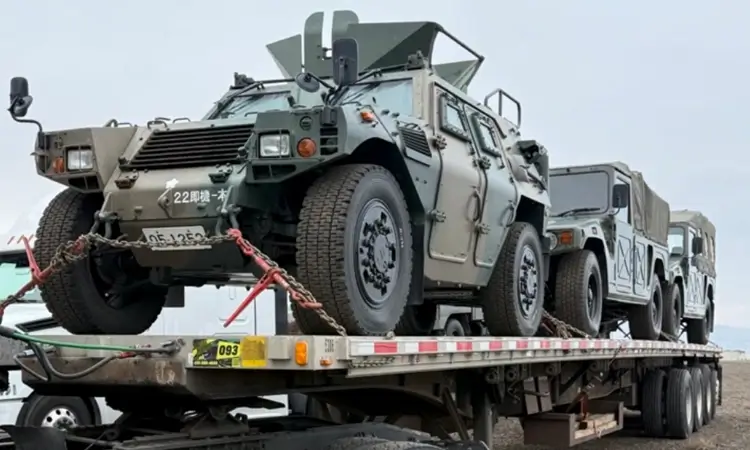
4-axle flatbed specifications
The extra axles and liftable drop axles spread the load, so the flatbed carries a higher payload and stays stable under heavy freight. The confirmed specs:
- Length: 53 feet
- Height: 5 feet 1 inch
- Weight: 13,020 lbs
- Extra axles plus liftable drop axles for higher payload and stability
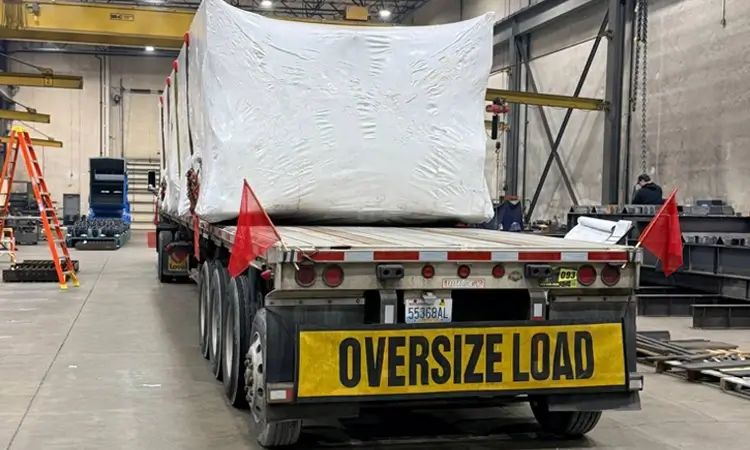
Conestoga covered flatbed
The recently acquired Conestoga adds a rolling-tarp system that seals the deck and loads from the side. It protects weather-sensitive deck freight while keeping the open access of a flatbed, so freight that needs cover still loads from the side by forklift and rides protected from pickup to delivery. When a load calls for full weather cover on a deck trailer, this is the trailer Long Road sends. See the full our equipment lineup for the matching open deck and drop deck options.
Call (425) 800-4609 for heavy and oversize deck freight on a 4-axle flatbed, or a Conestoga when the load needs full weather cover.
Get a QuoteFlatbed trucking: what the open deck is actually for
Flatbed trucking exists for freight that cannot be loaded through a door. If a piece has to come on from the side by forklift, from above by crane, or is simply too wide or too irregular to fit inside a van, the deck has to be open — and once it is open, securement rather than enclosure is what protects the load.
That is the real trade. A dry van protects the freight and restricts how it loads; a flatbed loads from any direction and puts the responsibility on straps, chains, edge protection and tarping. It is why flatbed trucking is priced and planned differently: the driver's time at the pickup is part of the job, not an afterthought.
Flatbed specifications
| Figure | 4-axle flatbed | Conestoga |
|---|---|---|
| Deck length | 53 ft | 53 ft |
| Deck height | 5 ft 1 in | 5 ft 1 in |
| Trailer weight | 13,020 lbs | Higher — the tarp system adds weight |
| Axles | 4, with liftable drop axles | 4 |
| Loads from | Side and top | Side, under cover |
| Weather cover | Tarps | Rolling hard cover |
| Max freight height before a permit | ≈ 8 ft 6 in | |
The liftable drop axles are the reason this trailer carries more than a standard three-axle flatbed: they come down under weight to spread it, and lift when empty so the trailer is not dragging tyres and tolls it does not need.
When a flatbed is the wrong trailer
Worth saying plainly, because the wrong answer here costs a permit or a re-load. Above roughly 8 ft 6 in of freight height a flatbed puts you over legal height, and the job belongs on a step deck. Above about 10 ft, or when the piece is heavy enough that it must not be lifted, it belongs on an RGN that it can drive onto. And if the freight cannot get wet and cannot be tarped practically, the Conestoga is the answer rather than a flatbed and a hope.
Frequently asked
What is flatbed trucking?
Flatbed trucking is freight hauled on an open deck with no roof or walls, secured by straps and chains rather than enclosed. It is used where the load has to be reached from the side or above — machinery, structural steel, building materials, and anything too wide or awkward to go through a van door.
How tall can a flatbed load be?
The deck sits about 5 ft 1 in off the road, so freight up to roughly 8 ft 6 in keeps the whole vehicle inside legal height. Taller than that and you either take a permit or move the load to a step deck, which is almost always cheaper.
What is a Conestoga trailer?
A Conestoga is a flatbed with a rolling hard cover on a frame. It rolls back for loading, so freight goes on from the side by forklift exactly as on an open deck, then rolls closed and rides protected. It removes the tarping time and the tarp failure risk.
Do you haul damaged containers on the flatbed?
Yes. A container that fails inspection and cannot ride on a chassis can usually still be moved on the flatbed, which keeps a port pickup going instead of stranding the box.
Book a flatbed or Conestoga move with Long Road
Long Road runs its own fleet, so the flatbed and Conestoga stay available when your load is ready. Give the dispatch team the dimensions and weight, and they size the trailer, plan the route, and handle the move from pickup through delivery across the Pacific Northwest.
- 2020 Asset-based since
- 200+ Private chassis & equipment
- 2 PNW ports, every terminal
- 3-acre Tacoma yard & depot
- 24/7 Capacity & repair shop
Call (425) 800-4609 or request a quote to move your next heavy or oversize load.
Call (425) 800-4609 with your dimensions and weight, and Long Road sizes the flatbed or Conestoga to your load.
Get a Quote